

Have you ever felt a sudden burst of energy after listening to a catchy tune? Or perhaps you’ve found yourself tapping your feet or humming along without even realizing it? Music has a powerful ability to influence our emotions and moods, and dancing or singing along to upbeat music can have significant benefits for our mental health.
The Science Behind the Bliss
When we listen to music, our brains release dopamine, a neurotransmitter associated with pleasure and reward. This dopamine surge can help to improve our mood and reduce feelings of stress and anxiety. Additionally, dancing and singing can activate multiple areas of the brain, including those involved in memory, emotion, and motor function. This can lead to a sense of well-being and can even enhance cognitive function.
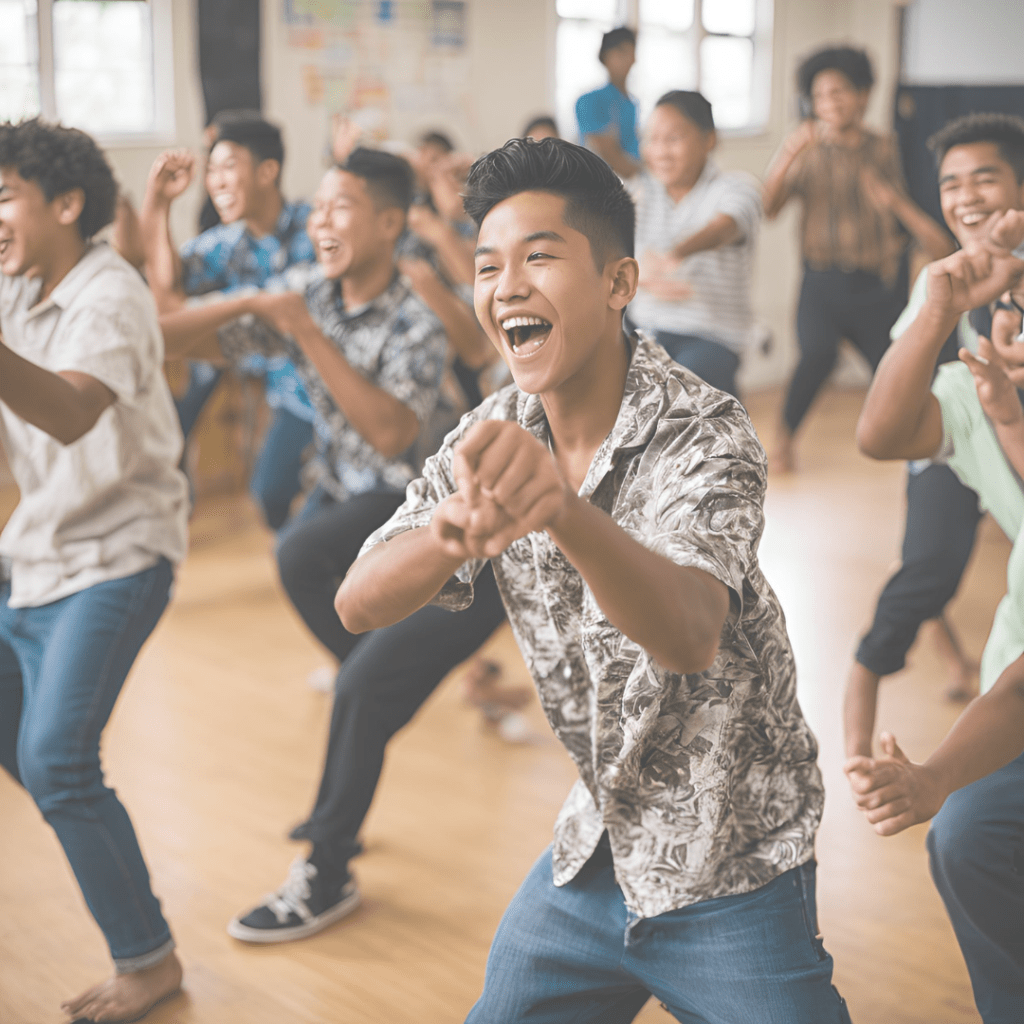
Working with students who’ve overcome adversity, I’ve witnessed the power of music to uplift students. One day, when the weight of the world seemed to be on their shoulders, I decided to take a break from traditional instruction. I put on Whitney Houston’s iconic song, ‘I Want to Dance with Somebody,’ and spontaneously started dancing. To my surprise and delight, my instructional assistant joined in and then my students started moving and grooving to the beat too. It was a brief moment of joy and connection that lifted their spirits and mine and put us all in a better mood.
The Mental Health Benefits
- Stress Reduction: Dancing and singing to upbeat music can be a great way to reduce stress and anxiety. The rhythmic movements and positive emotions associated with music can help to distract us from negative thoughts and feelings.
- Mood Boost: Listening to music that makes us feel happy can be a powerful mood booster. Upbeat tunes can help to lift our spirits and make us feel more optimistic.
- Improved Self-Esteem: Dancing and singing can be a great way to boost our self-esteem. When we feel confident and capable, we are more likely to experience positive emotions and a sense of well-being.
- Social Connection: Music can also be a great way to connect with others. Whether you’re dancing at a party or singing along with friends, music can help to foster a sense of belonging and social connection.
I’ve seen firsthand the power of music in transforming the learning environment. To foster a positive and motivating atmosphere, I empower my students to create a classroom playlist. This collaborative process not only allows them to express their individuality but also helps to create a sense of community. The upbeat music not only lifts their spirits but also helps them stay focused and engaged during independent work. Ready to incorporate more music and movement into your life?
Here are a few tips to get you started:
- Create a playlist of your favorite upbeat songs. This will make it easy to listen to whenever you need a mood boost.
- Take a dance class or join a singing group. This can be a fun way to meet new people and get exercise at the same time.
- Dance and sing at home. Even if you’re alone, dancing and singing can be a great way to have fun and relieve stress.
- Listen to music while working or exercising. This can help to improve your mood and make these activities more enjoyable.
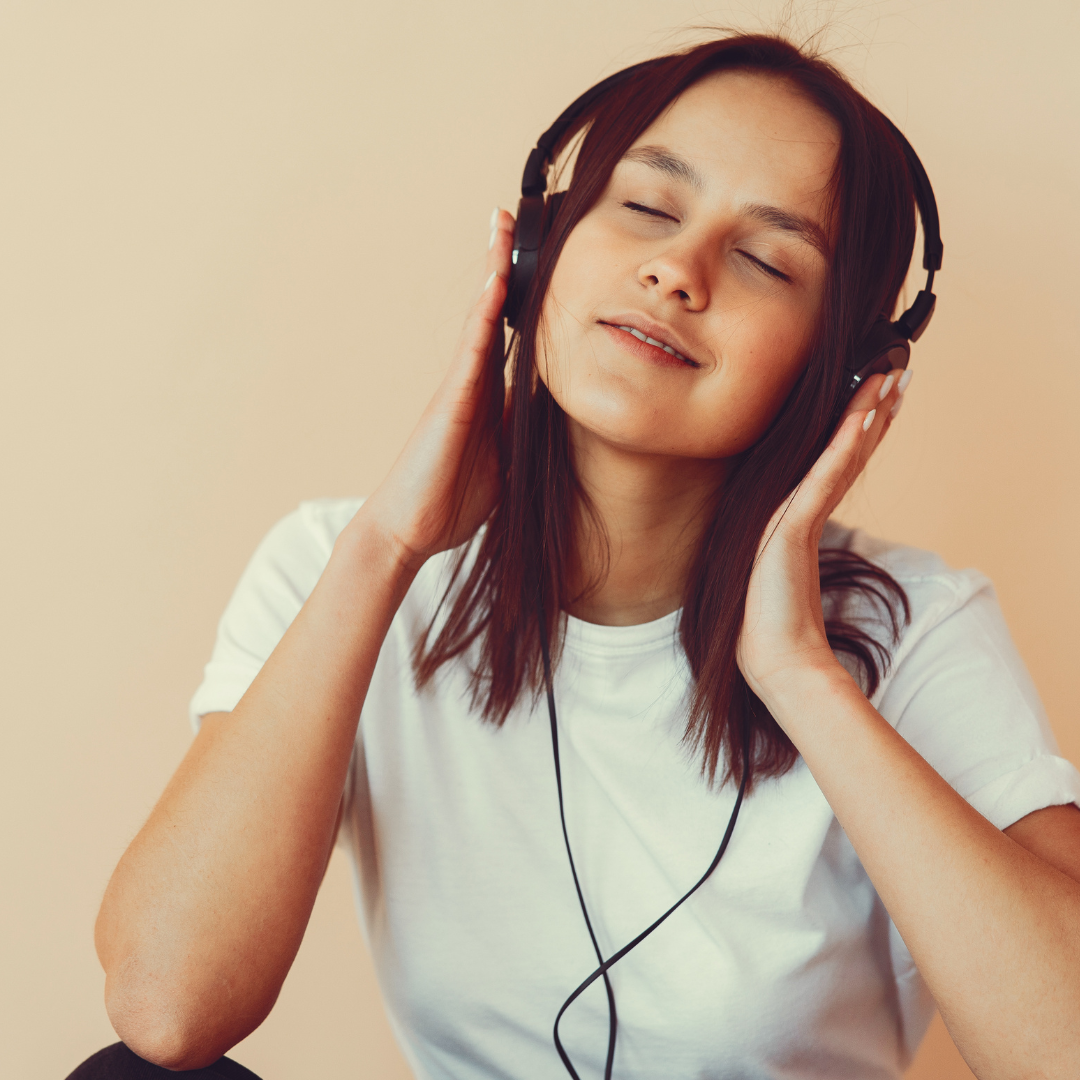
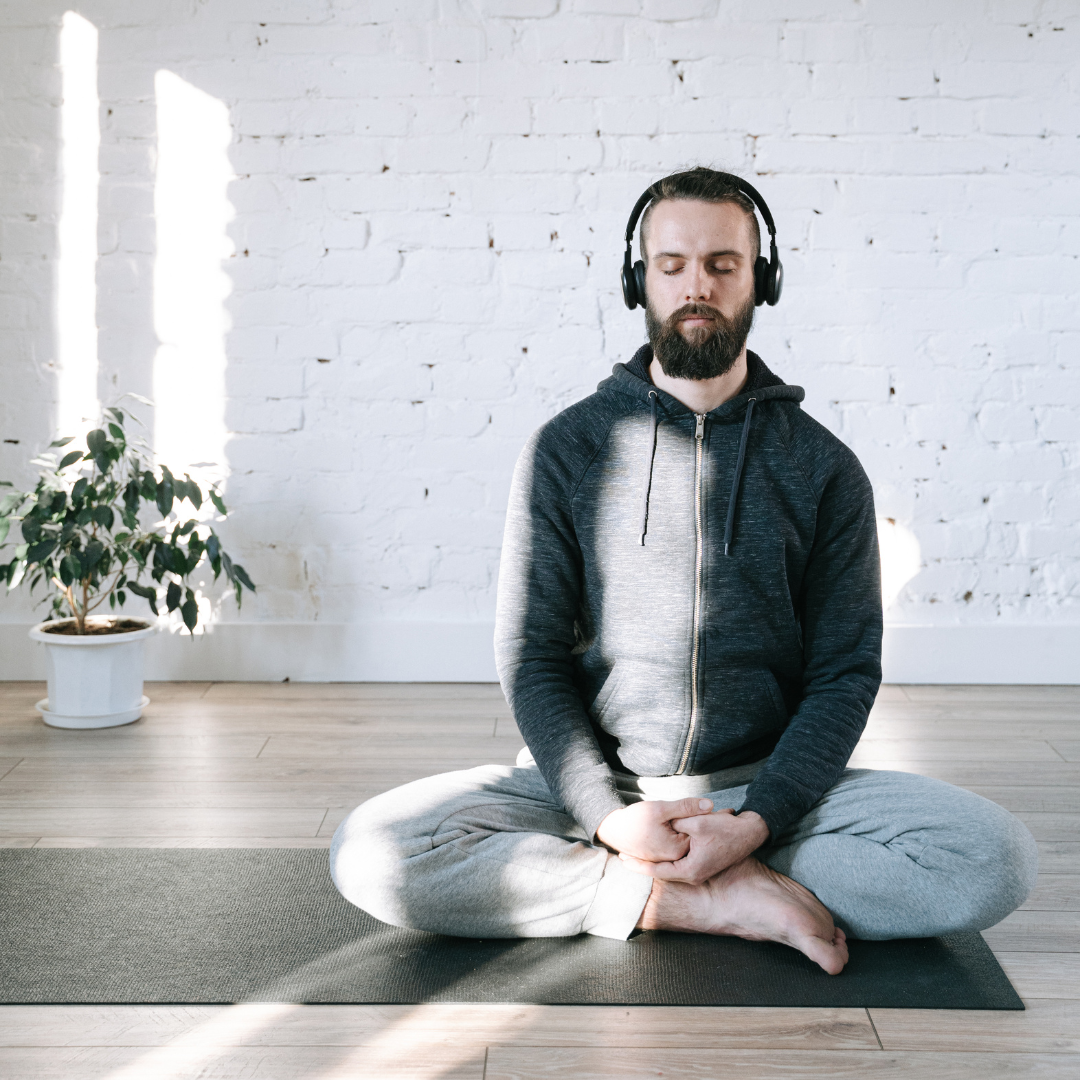
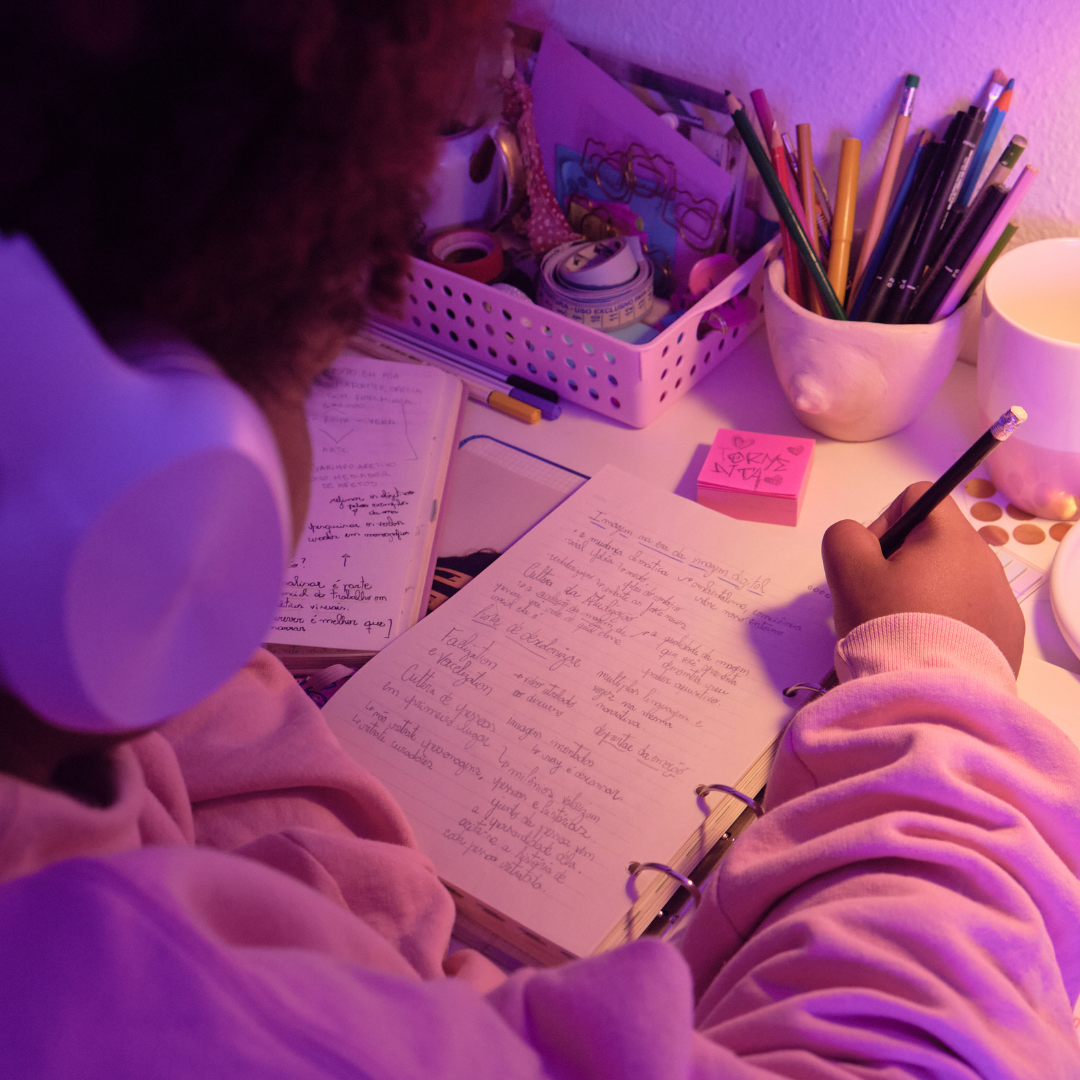

So, the next time you’re feeling down or stressed, turn up the music and let loose. Dance, sing, or simply listen to your favorite tunes. Remember, music has the power to transform your mood and your life. But it’s not just about the music itself. It’s about the emotions and memories that are tied to the music. When you listen to a song that reminds you of a happy time, it can instantly lift your spirits. Music can also be a powerful tool for self-expression. When you sing or play an instrument, you’re sharing a part of yourself with the world.
Remember, music is a powerful tool that can transform your mood and your life. So, turn up the volume, let loose, and dance your way to happiness!
 Tea with a Taurus