

Today, we’re diving into the transformative world of journaling. It might seem simple, but trust me—journaling can be a powerful tool for managing stress, enhancing mental health, and sparking creativity. So, grab your favorite drink—whether it’s a soothing chamomile or a bold chai—and let’s explore how putting pen to paper can lead us to a calmer, more centered self.

The Science of Journaling
Journaling isn’t just about writing down your thoughts; it’s a profound journey into self-discovery and emotional healing. Studies have shown that expressive writing can tap into our innate creativity and foster deep introspection. When we pour our feelings and thoughts onto the page, we’re not just documenting our lives—we’re gaining clarity about who we are and what we experience.
Think of journaling as a mental detox. It allows us to process emotions, identify patterns in our behavior, and develop effective coping strategies. Whether you’re looking to relieve stress, explore your dreams, or simply track your day-to-day thoughts, the benefits of journaling are far-reaching. It can boost our creativity, sharpen problem-solving skills, and enhance our overall mental well-being.
How to Journal
Now, you might be wondering, “How do I even start journaling?” The beauty of journaling is that there’s no right or wrong way to do it. Here are some methods you might find helpful:
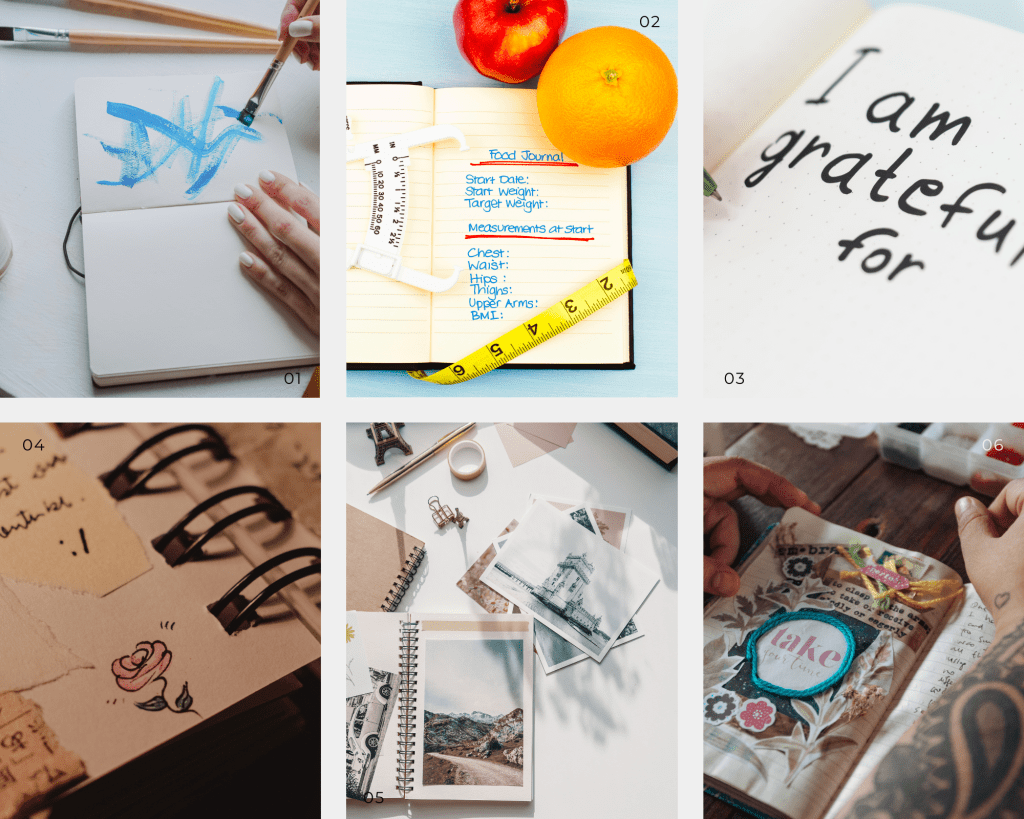
- Free Writing: Set a timer for 10-15 minutes and just write whatever comes to mind. Don’t worry about grammar or spelling—let your thoughts flow freely. This is your space to explore.
- Journal Prompts: If you’re feeling stuck, prompts can be a great way to ignite your creativity. Questions like, “What are three things that brought me joy today?” can provide a focus.
- Gratitude Journaling: Spend a few minutes each day jotting down what you’re grateful for. This practice can shift your mindset and help you appreciate the little things.
- Dream Journaling: Keep a notebook by your bed and write down your dreams as soon as you wake up. This can offer fascinating insights into your subconscious mind.
- Bullet Journaling: Use symbols, lists, and trackers to organize various parts of your life. It’s a great way to combine planning with personal reflection.
- Art Journaling: Get creative! Use different art mediums to express your emotions visually. This can be incredibly therapeutic and liberating.
- Bible Journaling: Reflect on scripture by writing your thoughts and insights either directly in your Bible or in a separate notebook. This can deepen your spiritual practice.
Journaling for Stress Relief
Journaling is especially powerful for managing stress. When we write about our worries and anxieties, we give them a voice, helping to process and release those pent-up feelings. Here are some journaling techniques specifically for stress relief:
- Mindful Journaling: Focus on the present moment as you describe your thoughts and feelings in detail. This practice can ground you and enhance your awareness.
- Emotional Release Journaling: Allow yourself to express your emotions freely and without judgment. Don’t hold back—let it all out!
- Problem-Solving Journaling: Use your journal to brainstorm solutions to the challenges you’re facing. This technique can help clarify your thoughts and reduce overwhelm.
Remember, journaling is a deeply personal practice. There’s no right or wrong way to do it; the most important thing is to find a method that resonates with you and makes you feel good. By making journaling a regular part of your routine, you can improve your mental health, reduce stress, and enhance your overall well-being.
So, why not give it a try? Your journal is waiting for you to fill its pages with your unique story.

